Mirror Seating Chart for Wedding: A DIY Display Idea
How a mirror seating chart works for a wedding — materials, lettering methods, sizing and where it fits compared to a printed board.
Contents19
- Why couples choose a mirror
- Materials and methods
- Sizing and layout
- Where to get the mirror
- Finalize the list before you start writing
- Comparing display formats: mirror, board and printed sign
- A worked example: planning a mirror seating chart for a formal reception
- Handling different table shapes and list layouts on a mirror
- What to do if your guest count changes after the mirror is finished
- Common mistakes and how to avoid them
- Lighting and placement considerations
- Choosing lettering size and style for readability
- Indoor versus outdoor placement
- Coordinating a mirror chart with your florist or decorator
- Mirror size relative to guest count
- What to do if the mirror doesn't fit your full guest list
- A note on borrowed family mirrors
- Transporting and storing the mirror before the wedding
- Weather contingency planning
A mirror seating chart is a display format, not a different way of planning the seating itself — the planning work is the same as any other chart, just written onto glass instead of paper or board.
The short answer: finalize your seating list first, then write or apply it to a mirror using glass paint pens or vinyl lettering, sized so guests can read it clearly at normal viewing distance.
Why couples choose a mirror
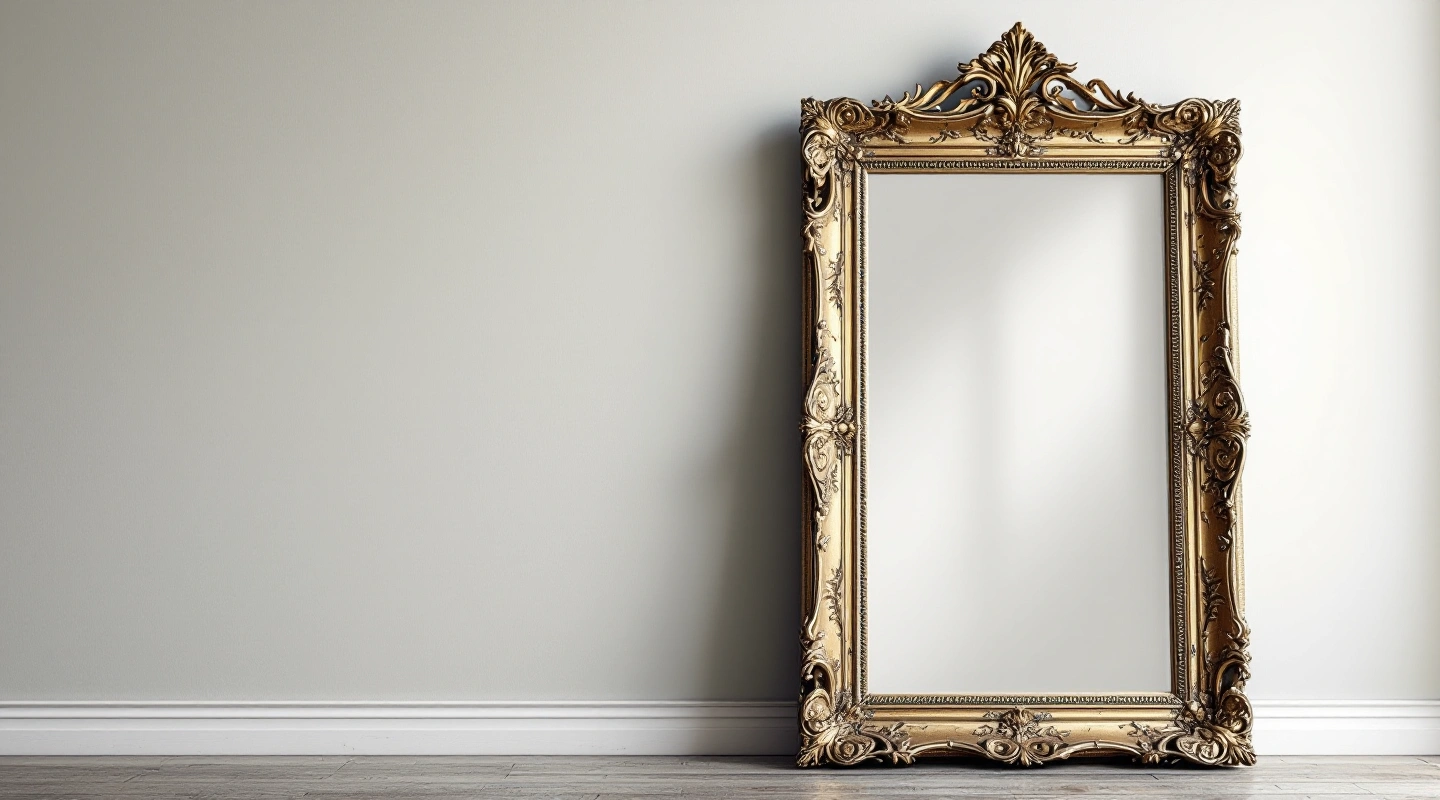
A mirror seating chart gives a more decorative, often vintage or elegant look compared to a foam board or paper sign, and can double as part of the reception decor rather than a purely functional display. It works especially well for venues with a formal or romantic aesthetic.
Materials and methods
- Glass paint pens. The most common approach — pens made specifically for glass or mirror surfaces, available in a range of colors including metallics. They're usually removable with glass cleaner or a specific pen remover, which matters if the mirror is rented or borrowed.
- Vinyl lettering. Pre-cut or custom vinyl decals applied to the glass give a cleaner, more uniform look than handwriting, at the cost of more setup time and typically higher cost than pens.
- Chalk pens on a mirror-style chalkboard. Some couples use a mirrored chalkboard surface instead of true glass, which handles chalk pens more forgivingly than a plain mirror.
Sizing and layout
Plan the layout on paper first — sketch where each table's list will go on the mirror before writing anything, especially with a frame that has an irregular shape. Leave enough space between names and table numbers that guests can read the chart from a few feet away without crowding in.
Where to get the mirror
Options include renting one from an event or furniture rental company, borrowing a full-length or vanity mirror from family, or buying a secondhand framed mirror. Ask your venue directly — some include one as part of their standard decor inventory, which can save a rental cost.
Finalize the list before you start writing
Because corrections mean removing and rewriting sections rather than reprinting a page, finish your seating assignments completely before starting on the mirror itself. Use the process in how to make a wedding seating chart to get the list settled, then treat the mirror as the last step, not a place to work out changes.
For other display formats, see the seating chart wedding hub.
Comparing display formats: mirror, board and printed sign
| Format | Relative cost tier | Durability | Setup time | Reusability |
|---|---|---|---|---|
| Mirror with paint pen or vinyl | Mid to higher, mainly from renting or sourcing the mirror itself | High — glass holds up well, though lettering can smudge if touched | Higher — sizing, planning layout on an irregular shape, and careful lettering all take time | Low for paint pen, since it needs full removal and rewriting; moderate for vinyl, which can sometimes be repositioned once |
| Foam board or poster board | Lower — board and printing or markers are inexpensive | Low — bends, dents and doesn't hold up well outdoors or in humidity | Lower — quick to print or hand-letter | Low — usually discarded or repurposed after the wedding |
| Wood signage | Mid to higher, depending on finish and lettering method | High — resists bending and holds up outdoors better than paper or foam | Mid — vinyl lettering or paint takes longer than printing but less than mirror lettering | High — can be reused for other purposes or repainted for a future need |
| Printed sign in a frame | Lower to mid, depending on frame and print quality | Mid — protected by the frame but the print itself is delicate if removed | Lower — printing is fast once the list is finalized | Low — tied to one specific guest list and date |
Scroll for more →
None of these is objectively better than the others. The right choice depends on your venue's aesthetic, how much setup time you have, and whether you want something reusable afterward.
A worked example: planning a mirror seating chart for a formal reception
A couple planning a formal reception in a hotel ballroom decides on a mirror seating chart to match the room's existing chandeliers and gilt-framed decor, rather than a foam board that would look out of place against the room's finish. They rent a large, ornately framed mirror from an event rental company, roughly four feet tall, since their guest count — 140 people across fourteen tables — needs enough surface area to list every table without cramming the text.
Before touching the mirror, they sketch the layout on paper at the mirror's actual dimensions, marking where the frame's decorative edges will cut into usable space. Because the frame is irregular, wider at the bottom and narrower at the top, they plan a centered header near the top where the frame is narrowest, and list the fourteen tables in two columns below, where the glass is widest. They test their chosen glass paint pen on a spare piece of glass first, confirming it doesn't bleed or streak on this particular pen before committing to the actual mirror.
Lettering takes both partners a full evening, working from the finalized list rather than a draft, since a hotel ballroom mirror this size isn't something they want to redo the week of the wedding. They set the finished mirror on an easel near the ballroom's entrance, angled slightly to reduce glare from the overhead lighting, and confirm placement with their venue coordinator the day before.
Handling different table shapes and list layouts on a mirror
The mirror itself doesn't care what shape your tables are, but how you lay out the list does. For a smaller number of larger tables, a simple numbered list with names underneath each table number usually fits comfortably. For a larger number of smaller tables, or a mix of round and rectangular tables with different capacities, group the list by section rather than one continuous list, so guests can scan to the right section instead of reading the entire mirror top to bottom. Leave visibly more space around table numbers than around individual names, since guests scan for their table number first and their own name second.
What to do if your guest count changes after the mirror is finished
Because corrections on a mirror mean removing existing lettering rather than reprinting a page, guest count changes after the mirror is done are more disruptive here than with a printed sign or board. A few practical options:
- For a single small change, such as one cancellation or one addition, most glass paint pens can be removed from just the affected section with a compatible remover or glass cleaner, without redoing the whole mirror — test the removal method on a small, hidden section first.
- For vinyl lettering, a single name is harder to swap cleanly than paint pen; budget extra time or accept a slightly visible patch if a late change is unavoidable.
- For a change large enough to shift several tables, such as a cancelled household that changes headcounts across multiple tables, it's often faster to redo the affected section entirely than to make several small corrections that end up looking patched together.
- As a buffer, some couples leave the mirror itself for the very last pre-wedding tasks, after the final RSVP follow-ups are done, specifically to avoid this problem, rather than starting early and risking a rewrite.
Common mistakes and how to avoid them
- Starting lettering before the list is truly final. Because mirror corrections are harder than reprinting, this format punishes an early start more than a board or printed sign would.
- Not testing the pen or vinyl on the actual mirror surface first. Glass surfaces vary, and a pen that works cleanly on one piece of glass can streak or fail to adhere on another, especially older or textured mirror glass.
- Underestimating glare. A mirror placed directly under bright overhead lighting or facing a window can be difficult to read at exactly the moment guests need it. Check the actual placement, at the actual time of day or evening the reception happens, before finalizing where it sits.
- Ignoring the frame's shape when planning layout. An ornate or irregular frame eats into usable writing space unevenly; sketching the layout at the mirror's real dimensions catches this before you're lettering directly onto the glass.
- Assuming a borrowed or rented mirror can be returned as-is. Confirm with whoever's lending or renting the mirror what cleanup is expected, and use a lettering method with a known-safe removal process if the mirror needs to go back looking untouched.
Lighting and placement considerations
A mirror reflects light and its surroundings, which changes how readable it is depending on where it's placed. Position it away from direct sunlight or a bright window behind the reading guest's position, since that creates glare exactly where people need to read text. Indoor reception spaces with warm, dim ambient lighting sometimes need a small dedicated light, such as a clip lamp or uplighting from the venue, aimed at the mirror specifically, since general room lighting alone may not be bright enough for guests to read fine lettering from a few feet away.
Choosing lettering size and style for readability
However elegant a script style looks, prioritize legibility over decoration for a piece guests need to read quickly while they're also holding a drink, finding their seat and talking to whoever's next to them. A clean, moderately sized block or simple script style, with clear numerals for table numbers, reads faster from a few feet away than an elaborate calligraphy style that looks better in close-up photos than it does across a room. If you want a decorative style for photos, consider using it just for a header phrase and switching to a simpler, more legible style for the actual table-by-table list.
Indoor versus outdoor placement
A mirror seating chart works best indoors or in a covered space. Outdoor placement introduces risks a board or wood sign handles better: wind can knock over an unsecured mirror, direct sun creates glare and can affect certain paint pens, and humidity or an unexpected rain shower is a real risk to a rented or borrowed mirror in a way it isn't to a printed sign. If your reception has any outdoor component and you want the elegant look a mirror provides, consider using it only for an indoor portion of the event, or have a backup plan, such as a printed list at the entrance, in case weather doesn't cooperate.
Coordinating a mirror chart with your florist or decorator
If your reception uses a florist or decorator for tablescapes and signage, let them know a mirror is part of the plan early, since a large framed mirror is one more item to account for in setup timing and placement. Some decorators are used to working with mirror surfaces, for staging small floral details around the frame, for instance, while others may need guidance on keeping arrangements clear of the writing area. Confirm setup time with whoever's placing the mirror the day of the wedding, since positioning and leveling a large freestanding mirror generally takes longer than propping up a lightweight board.
Mirror size relative to guest count
There's no fixed formula for what size mirror fits a given guest count, but a rough guide helps with planning: a smaller mirror, under about two feet, comfortably fits a short guest list of a few dozen names in a single column. A mid-size mirror, in the three-to-four-foot range, usually accommodates a guest list up to roughly 100 with a two-column layout. Beyond that, either a larger mirror or a smaller font size becomes necessary, and at a certain point, for very large guest lists in the hundreds, a mirror may not be the most practical format at all, simply because of how much legible surface area it takes to list everyone clearly.
What to do if the mirror doesn't fit your full guest list
If your finalized list turns out to be larger than the mirror comfortably holds, a few options avoid cramming text past a readable size:
- Reduce spacing selectively, tightening the gap between names within a table's list while keeping generous spacing around table numbers, which guests scan for first.
- Split the display, using the mirror for the bulk of the list and a smaller supplementary card or sign for an overflow table or two.
- Reconsider the format, since a printed sign or board can sometimes fit more names at a readable size in the same physical footprint than a mirror's frame allows, especially with an ornate frame that eats into usable space.
A note on borrowed family mirrors
Some couples use a mirror with family history, a parent's or grandparent's vanity mirror, for instance, rather than a rented one. This adds sentimental value but raises the stakes on getting the lettering method right the first time. If you're using a mirror with meaningful history, test any pen or lettering method on an inconspicuous section first, and confirm with whoever it belongs to what cleanup and removal they're comfortable with before you start.
Transporting and storing the mirror before the wedding
A finished mirror seating chart needs care getting from wherever it was lettered to the venue. Transport it flat or fully supported rather than propped at an angle in a vehicle, wrapped to protect both the glass and the frame's finish, and avoid stacking anything on top of it. If it's finished more than a few days before the wedding, store it somewhere it won't be bumped or exposed to temperature swings that could affect certain paint pens, and plan who's responsible for transporting it on the day itself so it isn't a last-minute scramble.
Weather contingency planning
If your reception moves between indoor and outdoor spaces, or if an outdoor ceremony space also hosts part of the reception, decide in advance where the mirror actually lives for the parts of the event guests need it most. Guests generally need the seating chart once, right as they arrive at wherever the reception meal is served, so keeping the mirror in that indoor or covered space, rather than moving it between locations, reduces the handling and weather exposure it goes through over the course of the day.
Questions people also ask
What is a mirror seating chart for a wedding?
A large mirror, often in a vintage or ornate frame, with the seating list written or applied directly onto the glass in place of a printed board or sign.
What do people use to write on a mirror seating chart?
Paint pens made for glass or mirror surfaces are the most common choice, since they show up clearly and can be wiped off with the right remover. Vinyl lettering is another option for a cleaner, more uniform look.
Is a mirror seating chart harder to update than a printed one?
It can be, since changes usually mean removing and rewriting text rather than reprinting a page. Finalize your seating list before starting the mirror to avoid redoing sections.
Where do couples usually get a mirror for this?
Options include renting one from a rental or event company, borrowing a full-length or vanity mirror, or buying a secondhand framed mirror. Check with your venue about what they already have available, since some include one.
Can I reuse a mirror seating chart for another event?
Only if the lettering method allows clean removal. Glass paint pens generally can be removed with the right product, but vinyl lettering is harder to lift without residue or damage to the finish underneath.
What if my venue doesn't allow easels or freestanding displays?
Ask about a table-top stand, a mantel, or leaning the mirror against a wall with a small lip or ledge — most venues have some alternative even if a floor easel isn't allowed.